B2B Leather Sourcing Guide for European Brands & Boutiques
A practical guide for European fashion store owners importing custom private label leather apparel from Pakistan. Covers GSP+ duty-free benefits, EORI, VAT, sizing, and low MOQ prototyping.
1. GSP+ Advantage: Duty-Free Import into the EU
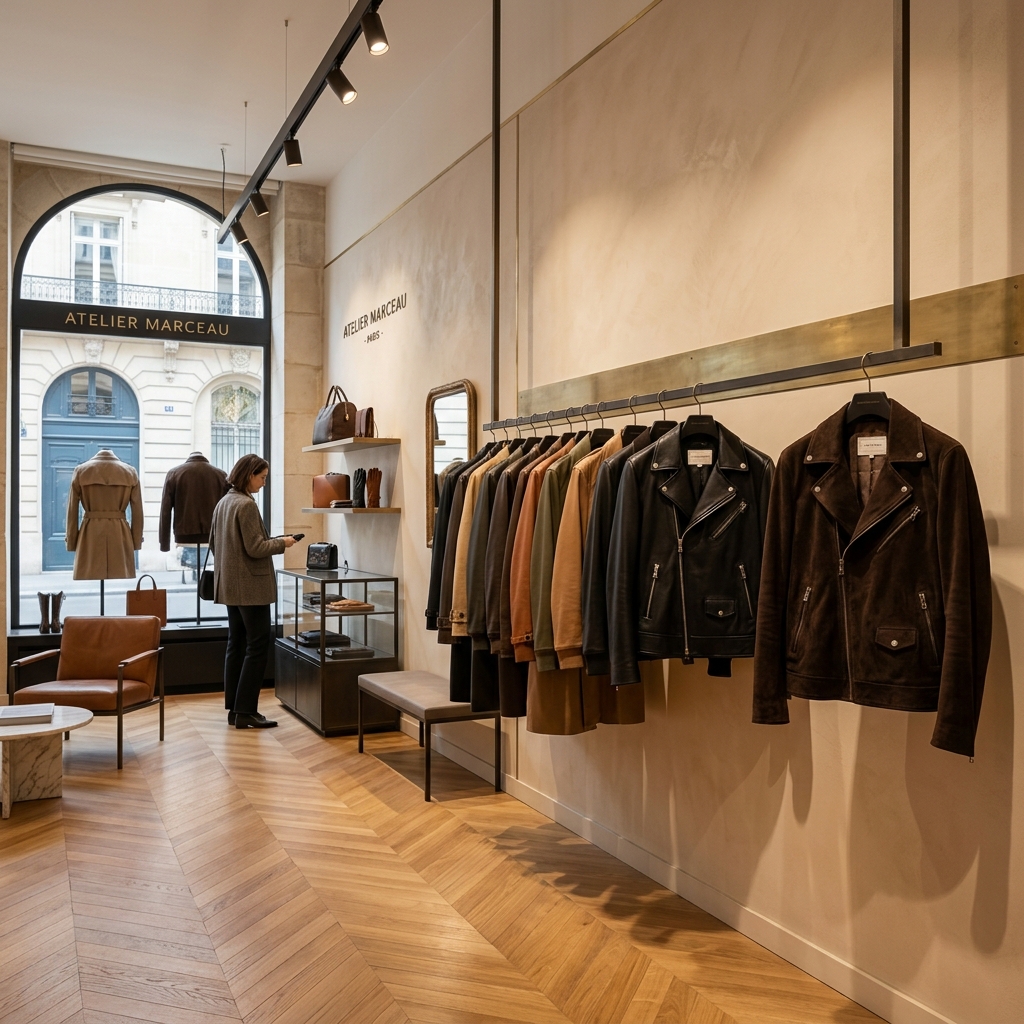
One of the biggest financial benefits for European brands and boutique owners sourcing leather jackets from Pakistan is the EU GSP+ status. Under this scheme, custom leather garments and apparel imported from registered manufacturers in Pakistan qualify for a 0% customs duty rate, rather than the standard 4% to 9% duty applied to other non-EU countries. The TARIC code for leather apparel is 4203100000. To claim this exemption, your supplier must provide a valid Certificate of Origin (Rex Registered Exporter System registry reference number) alongside the standard invoice packing list.
2. EORI Number & Import VAT Requirements
To successfully clear custom leather goods in any European Union member state, your business must register for an EORI (Economic Operators Registration and Identification) number. This unique identifier is required by customs authorities to process import declarations. While the import duty rate is 0% under GSP+, imports are still subject to local VAT. Boutique owners can optimize cash flows by leveraging the VAT Reverse Charge Mechanism or importing through designated bonded cargo setups, depending on local country regulations.
3. Standardizing Sizes: EU vs. Flat-Lay Sizing Sheets
Sizing mismatches are a common issue when importing apparel. To avoid fitting errors, European brands should provide clear flat-lay specification sheets showing exact measurements in centimeters for shoulder width, chest width, sleeve length, and back center length. Standard European grading ranges from S to XXL, but flat-lay measurements guarantee the factory stitches according to the tailored fit your local clientele expects, rather than standard Asian fits which tend to run smaller.
4. Shipping Logistics: Air Cargo vs. Sea Freight
Karachi is Pakistan's largest industrial seaport, enabling efficient container shipping directly to major European ports like Rotterdam, Hamburg, Antwerp, and Genoa in 20-25 days. For time-sensitive collections or restocking popular sizes, air freight cargo via DHL, FedEx, or air freight forwarders is the standard solution. Air cargo typically arrives at major European logistics hubs within 5-7 business days, making it ideal for high-end boutique restocks.
5. Mitigating Risk with Low MOQ Prototyping
Never commit to a bulk production run without first ordering and examining a physical sample. Dedicated OEM manufacturers like Buneri International Pvt Limited offer small-run sample prototyping (typically 10-14 days lead time) to help you verify leather grain quality, thickness, stitching precision, and interior lining comfort before making a bulk commitment.
For more information about B2B leather manufacturing and exports, visit our Leather Jackets Manufacturer homepage or explore the full B2B Leather Product Catalog.
Need Custom Leather Jackets for Your European Store?
Explore our private label OEM packages. We help boutiques design, prototype, and import tax-free leather jackets directly from Karachi.
Inquire for Pricing WhatsApp B2B SupportB2B Sourcing Insights
Related Industry Guides & Blogs
Leather Jacket Manufacturer in Pakistan: The Complete B2B Sourcing Guide
Looking to source leather jackets in bulk from Pakistan? This comprehensive B2B guide breaks down Karachi's manufacturing capability, private labeling, OEM/ODM processes...
Read Complete Guide.webp)
How to Order Custom Leather Jackets in Bulk: MOQ & Sourcing Guide
Launching a custom leather jackets bulk order? Understand the complete B2B leather jacket order process, including sample production timelines, minimum order quantity rules...
Read Complete Guide
Sheepskin vs Cowhide vs Goatskin: Which Leather is Best for Your Brand?
Choosing the best leather for your jackets? Compare sheepskin, cowhide, and goatskin hides side-by-side. Understand genuine leather grades, grain structures, and manufacturing types...
Read Complete Guide