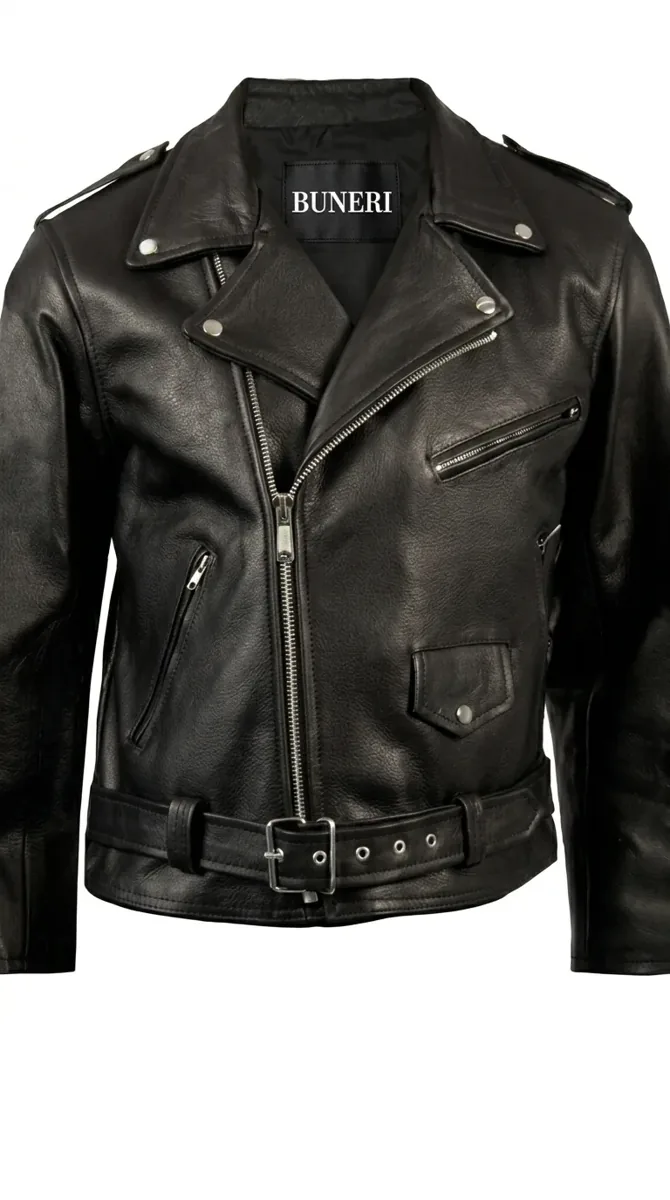
In the leather fashion industry, selecting the right raw material dictates your product's retail price point, durability, comfort, and target audience. For brand founders and B2B buyers, understanding the technical differences between a sheepskin leather jacket, a cowhide leather jacket, and goatskin leather items is critical. Different types of leather for manufacturing serve distinct functions, and sourcing the correct genuine leather grades is key to commercial success.
This guide analyzes these three principal skins to help you determine the best leather for jackets matching your brand catalog requirements.
Not sure which leather to choose for your line?
Compare Cowhide vs Goatskin vs Sheepskin vs Calfskin1. Sheepskin Leather: Softness & Luxury
Sheepskin (often called lambskin) is the undisputed king of luxury fashion. It is obtained from sheep and processed using soft drum-dyeing techniques.
- Texture & Feel: Incredibly soft, buttery, and lightweight. It drapes naturally on the body, making it ideal for slim-fit and modern silhouettes.
- Insulation: Natural pores provide breathability while retaining body heat.
- Best Suited For: Luxury fashion lines, spring/autumn streetwear collections, and high-end retail catalogs where comfort is the primary selling point.
If your brand is targeting premium fashion buyers, launching a sheepskin leather jacket collection is your best choice.
2. Cowhide Leather: Ruggedness & Extreme Durability
Cowhide is the traditional workhorse of the leather industry. It is thick, heavy, and extremely resistant to abrasion.
- Strength: Extremely high tensile strength and puncture resistance.
- Weight: Heavy. A typical cowhide garment is double the weight of a sheepskin equivalent.
- Water & Wind Resistance: Dense fibers make it highly resistant to harsh outdoor environments.
- Best Suited For: Professional motorcycle riding gear (safety jackets), heavy winter outerwear, and vintage distressed bomber styles.
For brands targeting functional safety, outdoor gear, or classic heritage styles, a cowhide leather jacket is the industry standard.
3. Goatskin Leather: The Perfect Middle Ground
Goatskin is a highly underrated material that offers the strength of cowhide combined with the lightweight comfort of sheepskin.
- Pebbled Grain: Characterized by a distinctive, slightly pebbled natural grain texture.
- Flexibility: Extremely supple yet resilient. It stretches slightly without losing its shape, making it very comfortable to wear.
- Water Resistance: Naturally contains lanolin, making it highly water-resistant compared to sheepskin.
- Best Suited For: Flight jackets (A-2 styles), everyday city outerwear, travel bags, and premium wallets.
If your brand needs a durable, textured garment that is comfortable from day one, goatskin leather is a fantastic choice.
4. Comparing the Materials side-by-side
| Feature | Sheepskin (Lambskin) | Goatskin | Cowhide |
|---|---|---|---|
| Weight | Lightweight | Medium weight | Heavyweight |
| Softness | Ultra-Soft / Buttery | Supple / Flexible | Rigid / Stiff initially |
| Texture | Smooth, fine pores | Distinct pebbled grain | Uniform, thick grain |
| Durability | Moderate (Fashion wear) | High (Abrasion resistant) | Extreme (Heavy safety wear) |
| Common Applications | Fashion, street jackets | Military flight jackets, bags | Motorcycle racing gear, coats |
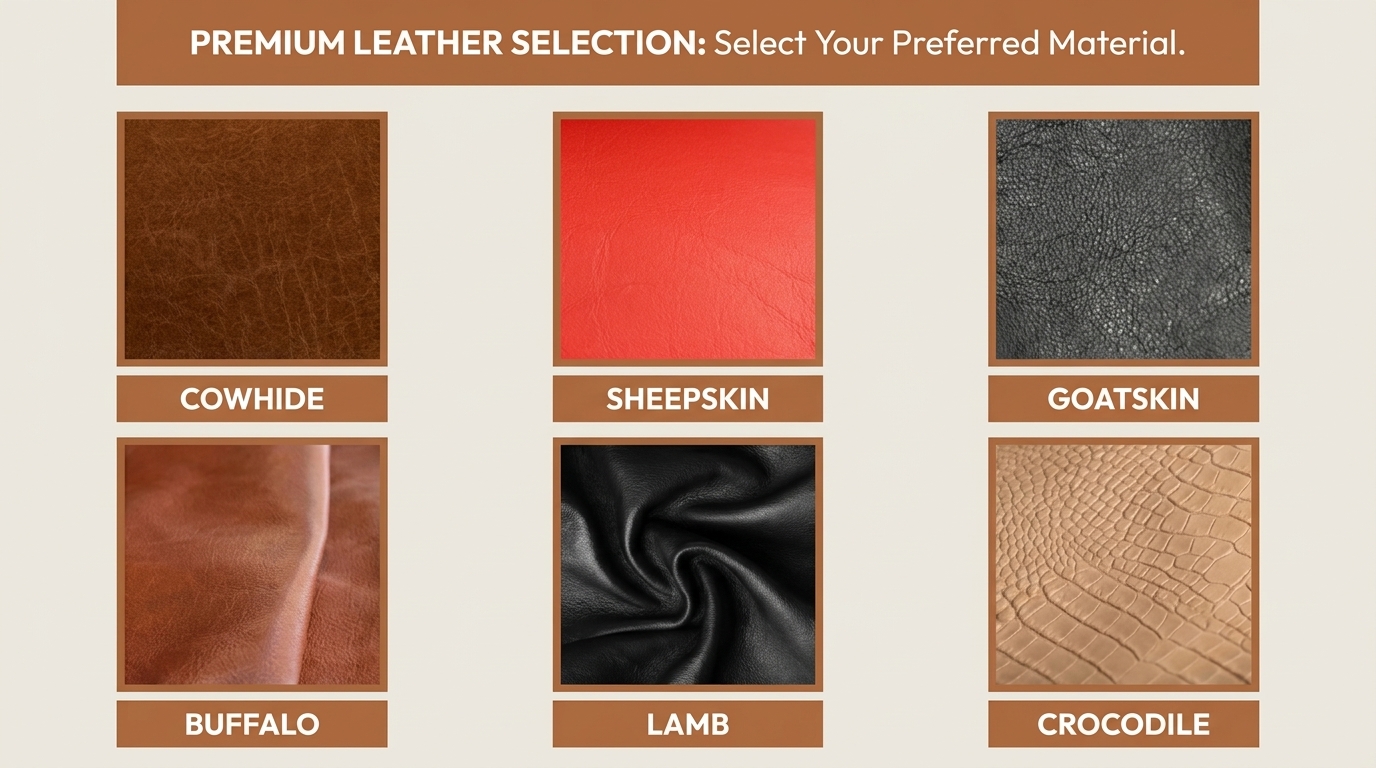
Figure 1: Full-grain hide selections processed in our Karachi tannery, featuring cowhide, sheepskin, goatskin, and split suede.
To help you choose, our tannery-fresh hide comparison showcases the raw textures, natural grains, and relative thicknesses of our primary material offerings, ensuring full transparency in material selection. For a comprehensive overview of hide grades, thickness tolerances, and finishes, explore our dedicated Leather Guide.
5. Understanding Genuine Leather Grades in Manufacturing
When specifying materials with a bulk leather jacket manufacturer, the classification goes beyond animal types. You must specify the genuine leather grades to protect your margins:
- Full-Grain Leather: The absolute highest grade. The outer layer of the skin remains intact, showcasing natural scars and markings. It ages beautifully, developing a rich patina over time.
- Top-Grain Leather: The second-highest grade. The surface is lightly sanded to remove imperfections, creating a uniform texture that is easier to color-dye.
- Split Leather (Suede): The lower fibrous layer left behind after splitting the hide. Excellent for custom suede jackets and soft linings.
Conclusion: How to Decide?
The best leather for jackets depends entirely on your brand's positioning. If you sell luxury comfort, choose sheepskin. For safety or vintage rugged collections, cowhide is king. If you want a textured, durable, and cost-effective everyday item, choose goatskin.
At Buneri International Pvt Limited, we source export-quality skins locally and process them in Karachi's advanced tanneries, matching your technical specs perfectly. Contact our team to request leather swatches and discuss your upcoming collection.
For more information about B2B leather manufacturing and exports, visit our Leather Jackets Manufacturer homepage or explore the full B2B Leather Product Catalog.
Sourcing for a specific market?
See our leather jacket manufacturer pages for Germany, Europe and Latin America — or read the Germany sourcing guide and design your own leather jacket.
Need Leather Swatches or Custom Sourcing advice?
Discuss your material requirements with our sourcing leads. We provide customized sample runs using full-grain skins.
Request Swatches WhatsApp Support
.webp)
.webp)
.webp)
.webp)